17 February, 2015

(More) Skokholm scenery!

Time to reminisce some more...

Autumn sunset

Dusk on the cliffs 

Another autumn sunset

Counting Manx Shearwaters at dusk

Moth trap in situ

Skokholm's only beach

Walking on Skokholm's only beach

Moth pots at the ready

Stormy seas

Some funny little bird looking out to sea

Sea Campion

A lichenologist's dream

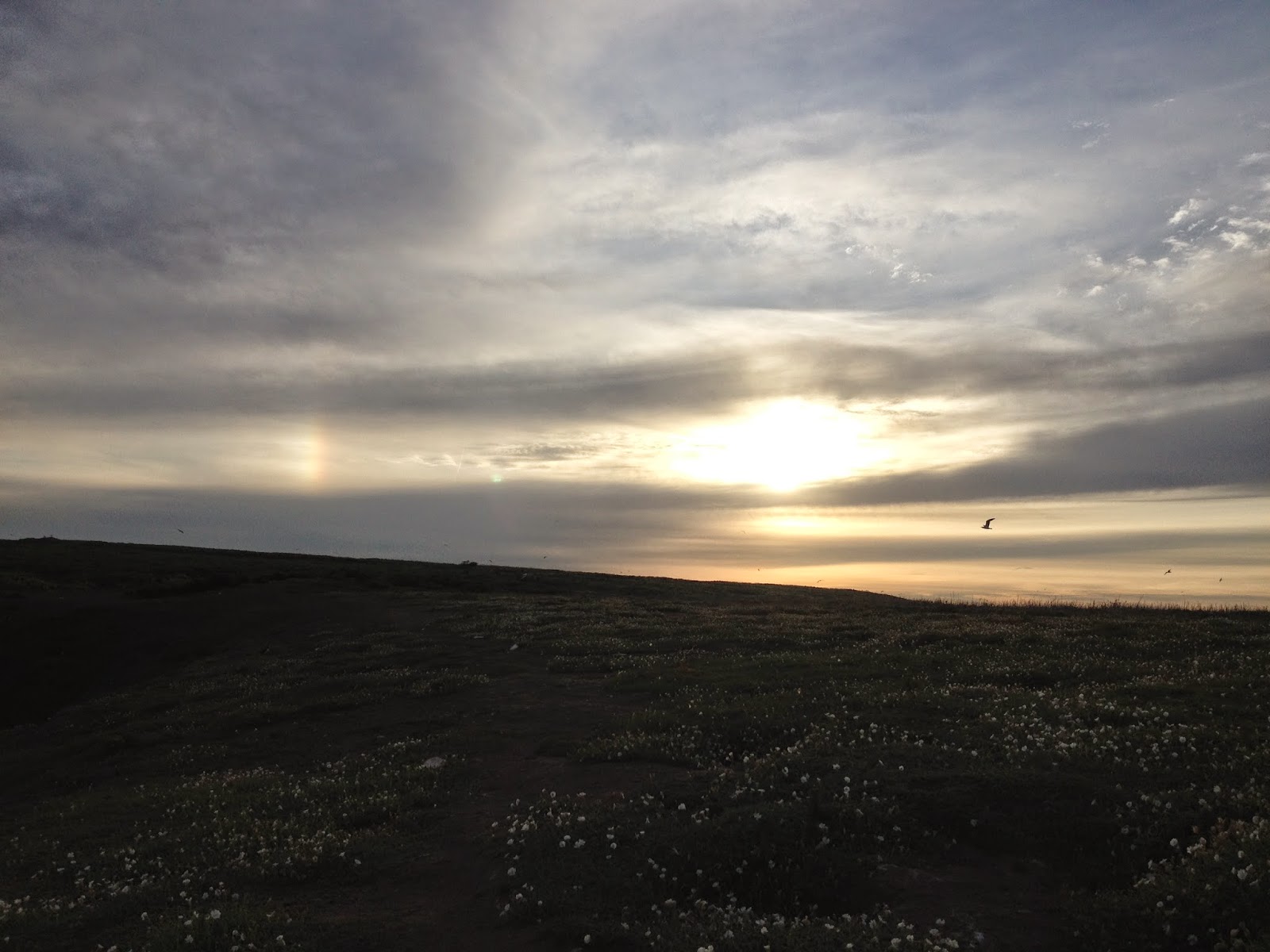
Rainbow

Sky rainbow

A break in the clouds

Change over day

Fantastic rollie pollie slope


15 February, 2015

Skokholm scenery

Some lost snaps from my time spent as a long-term volunteer on Skokholm in 2014, a magical little island off the Pembrokeshire coast full of wild things... 

Fulmars in the sun

Looking out to Grassholm

Cliff-top greenery

Dawn at the farm

The jagged red sandstone cliffs of the north coast

Late evening sun lighting up the Pembrokeshire coast

Sea Mayweed in August

 Looking out towards mainland Pembrokeshire from the north cliffs

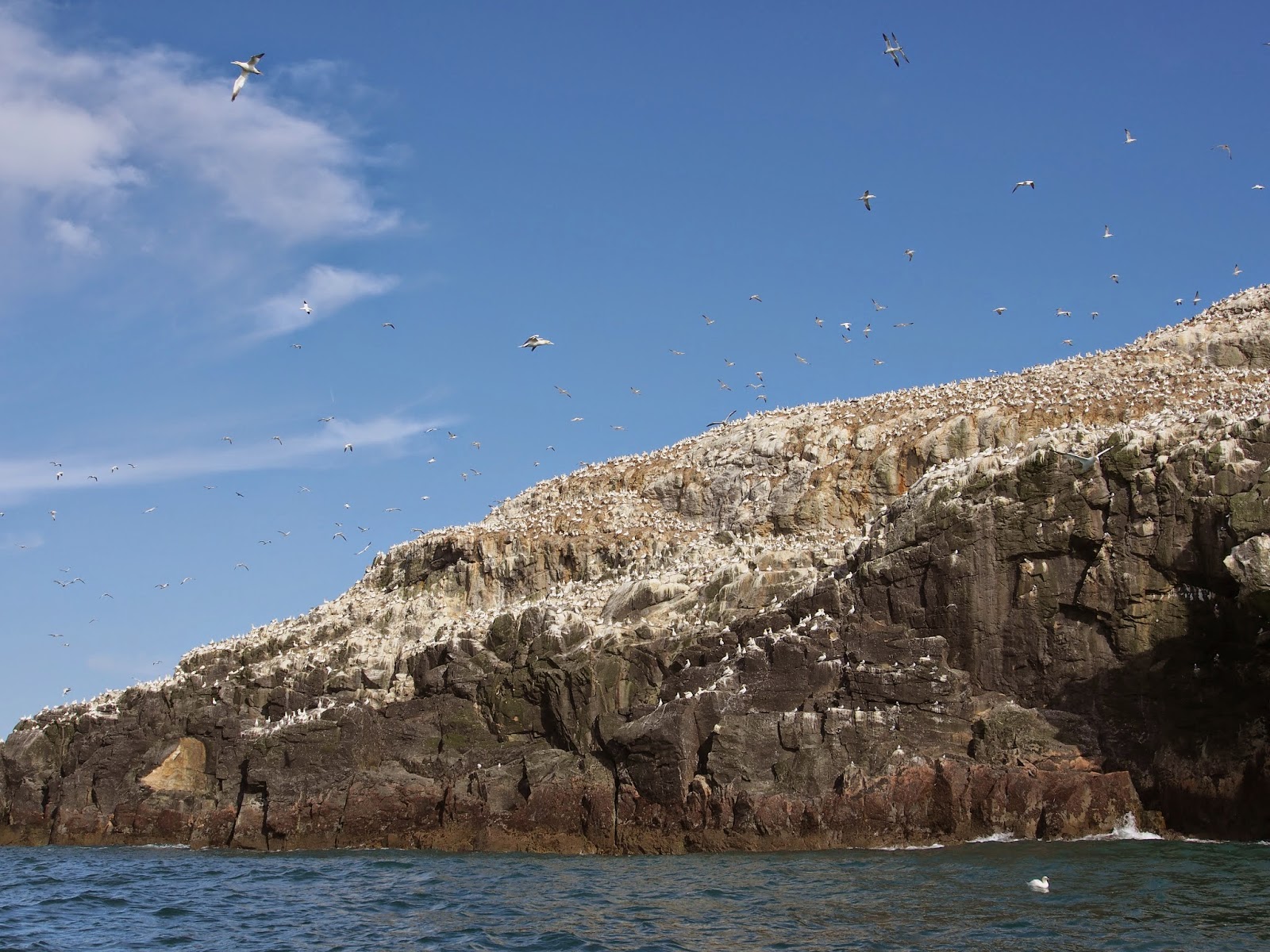
Grassholm Gannet colony

Skokholm from a dingy

Gulley streams filling after a thunderstorm

Three of 300 Small Tortoiseshells feeding on Water Mint in a stream during a late-summer butterfly influx

A Manx Shearwater fledgeling, succumbed to Puffinosis

Islanders twitching an Icterine Warbler

Drawing straws to decide who would ring the Icterine Warbler

Sunset over Grassholm

Weird, cool rock formations

Sunset over Grassholm

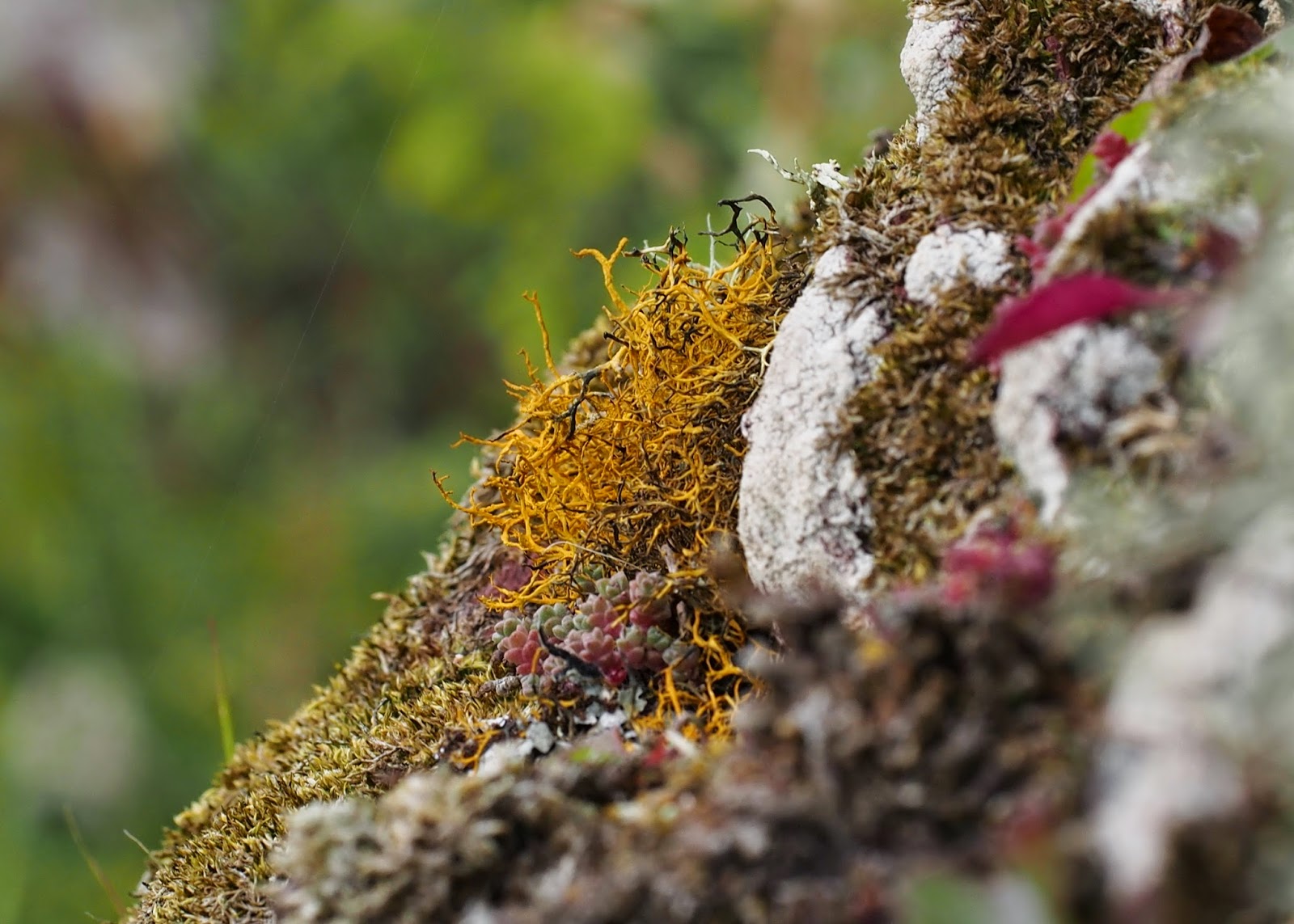
Golden-hair lichen (Teloschistes flavicans), one of the rarest lichens in Britain

Lichen wall

More to come! 

04 February, 2015

Bryophytes need love too!


Living in the centre of Worcester means that I'm only a 10 minute train journey from the rugged and beautiful stretch of wilderness that encompasses the Malvern Hills. A fantastic spot to watch wildlife, with breeding Redstarts and Peregrines in summer, and a host of rare alpine plants and invertebrates to boot.

It's also acted as a great place to catch some fresh air after the stress of various assignment deadline days, and a couple of us enjoyed a nice walk across the hills following a hefty 3000 word dissertation hand in early last week. Owing to their high altitude, the Malvern Hills act like a flashing beacon to migrating birds, and I was hoping to catch up with a small flock of Snow Buntings that had been feeding around the summit for much of December and January. Recent snowy weather would certainly have kept them feeling at home on the exposed hillside, but unsurprisingly it looks as if they may have moved on to warmer climes.

Apart from a hardy Stonechat and a brief flyby from a Peregrine, there wasn't really that much kicking about. I did find a small cluster of Ciliated Fringewort (Ptilidium ciliare) amongst rocky scree; hardly heart-stopping stuff, but look closely and it's hard not to appreciate the intricate detail on such a tiny plant...

What? Oh, c'mon... Bryophytes need love too! 

02 February, 2015

Jaunting about

Last Friday I took an aimless wander through some local woods just outside of Worcester, with some lovely evening light to illuminate the way...


Great to see these beautiful Scarlet Elf-cups (Sarcoscypha coccinea) thriving for another winter - this one perfectly demonstrating the species' alternative name, Fairies' Bath. 

Stereum hirsutum


14 January, 2015

First moth of 2015

Much in the same way that Steve Gale runs a competition for the first person to see a Wheatear every spring, I too run my own wildlife-inspired competition early in the year. However, instead of congratulating people finding Wheatears, my competition celebrates the first moth to be flying in the harsh conditions of early-January, and the hardship and determination that comes with survival at this time of year.

Granted there are a few flaws in the idea; obviously there is no way of awarding a moth with an actual trophy, which means that the competition usually just ends in me buying myself a congratulatory Creme Egg and eating it in alone in the street whilst harbouring a mixture of powerful emotions including (but not limited to) smugness, self-guilt, embarrassment and confusion.


Anyway, the 2015 'trophy' goes to this Dotted Border which was attracted to the lit kitchen window yesterday night! Whoop!

Funnily enough, Dotted Border won the competition last year, and I took a really interesting investigative look into its unusual life-cycle in this blog post... here.

24 December, 2014

Happy Christmas!


The garden's first December Moth is telling you to have a very festive Christmas and New Year! See you in 2015...

22 December, 2014

Winter moths

I saw a post by a moth-person on social media recently describing a catch of 1,000 Mottled Umbers which they'd attracted to a small light trap in their local woods, and it reminded me of the two moths that I've seen this winter...

Mompha bradleyi

Psychoides filicivora

24 November, 2014

A mushroom interlude

Things have died down on the wildlife front since I dived back into the dissertations and research that come with education. I'll endeavour to get outside at some point soon- if only for the sake of my own sanity- but for now here are some neat-looking Hare's-foot Inkcap Coprinopsis lagopus which sprouted up at Stoke's Field when I visited at the end of October...

Hare's-foot Inkcap

28 October, 2014

Durlston moths

I recently joined Steve Whitehouse and Matthew Deans for an impromptu moth-trapping session at Durlston Country Park, slap-bang on the Dorset coast. The wind was howling and the rain was relentless, but this being my first experience of coastal trapping, things couldn't have been more exciting.

Moths didn't really start arriving until after midnight (understandable considering that some had taken off from the other side of the English Channel), but the ones that did certainly knew how to impress. I was particularly keeping my eye out for Palpita vitrealis, a large and unmistakable migrant from southern Europe and a bit of an exotic show-stopper. After scouring the traps for hours without any luck, a total of 4 dropped in after between 2am and 3 am. Classic.

Palpita vitrealis

Delicate

Oak Rustic

Mecyna asinalis

The Durston Castle garden- no stranger to bright lights and weird men swigging Red Bull...


14 October, 2014

Leaf-mining

It's that time of year when people like picking things off vegetation, and it's no different for lepidopterists. Leaf-mines (feeding chambers created by the larvae of insects) are at their most apparent in autumn as caterpillars feed-up before pupating in leaf-litter, ready to emerge next spring.

In the world of moths, leaf-mines are highly regarded. The patterns created and the tree species with which the mine is associated are unique to each species, meaning that larval workings provide the most hassle-free method of identifying many otherwise problematic groups (i,e. genus Stigmella & Phyllonorycter).

Some are harder to find than others, but rummage through a large deciduous tree and you'll quickly tally up a good list of species...

Stigmella tityrella on Beech

Stigmella oxyacanthella on Hawthorn

Stigmella hybnerella on Hawthorn

Stigmella anomalella on Rose

Leaf-mining at the foot of the Malvern Hills

It was foggy